

While as fleet managers, owners, and drivers, you cannot repair the roads, you can keep your vehicles in perfect condition. You can ensure regular maintenance, which will help your fleet vehicles run smoothly on the roughest of terrains.
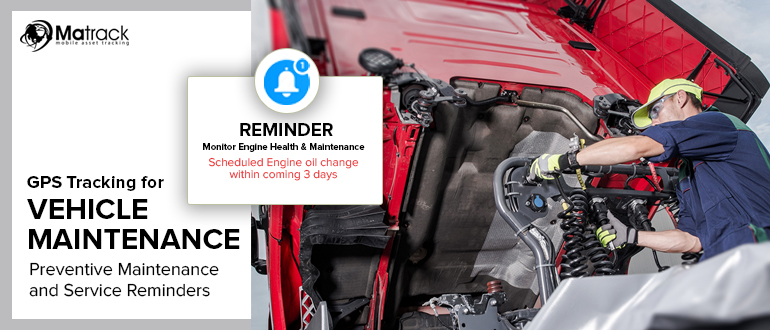
One of the easiest ways to do it is by scheduling maintenance and monitoring the vehicle inspection history. This small step is immensely significant and is included in the Code of Federal Regulation. According to section 395.13 of this code, the drivers must check these before driving the fleet or vehicle:
- The Commercial Motor Vehicle (CMV) must be safe to drive.
- Review the vehicle inspection report given by the last driver.
- Only sign the report if the driver fixes the problems mentioned in the report and has the necessary certifications to prove it.
There are several other factors that you must know about inspection history and vehicle maintenance. So, let’s get started.
What is Vehicle Inspection History?
Vehicle inspection history refers to a documented record of all inspections conducted on a particular vehicle over time. Keeping track of a vehicle’s history helps fleet managers see patterns and ensure it gets the essential maintenance and repairs. When fleet managers tell drivers their CMVs are in good shape, drivers feel better about driving them.
When fleet managers update and share the inspection history of your vehicles, it streamlines how you manage a big-sized fleet. Drivers can check out the maintenance details, trust their rides more, and give a nod to the inspection report before they begin their work.
What if you could have all this info in one place? It will be beneficial in cases of an unexpected occurrence like accidents. Plus, when you maintain this vehicle inspection report, it shows everyone you are serious about safety and reliability, which is a big win for shippers. This step ultimately enhances your reputation as a reliable fleet owner.
Is it Important to Maintain Vehicle Inspection History?
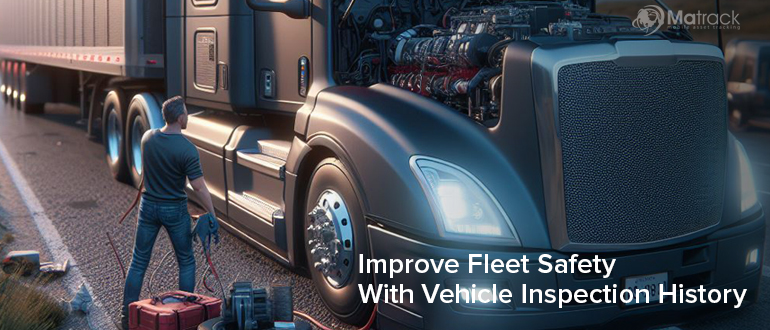
Regular fleet inspections contribute to the safety of the drivers and fellow drivers. It decreases the chances of accidents or roadside breakdowns. Skilled mechanics and drivers identify worn parts, loose mechanisms, or missing screws during these checks.
5 Ways to Improve Vehicle Safety by Inspection History
Opting for a reliable automatic documentation model like Matrack helps in smooth maintenance. We have listed five ways in which it helps enhance vehicle safety.
Penalty fines
The Federal Motor Carrier Safety Administration (FMCSA) requires regular fleet inspections. Go through the complete list of mechanics and vehicle parts that need inspection, the frequency of these inspections, and the necessary documentation.
Reduce accidents
Even if you prioritize vehicle maintenance and inspections, accidents may still happen within your company’s fleet. While focusing on driver training and safety is vital, we all know how accidents occur unexpectedly. Hence, you risk liability due to potential negligence without proper documentation of inspections.
Following an accident, authorities will ask for proof of vehicle inspections to confirm the vehicle’s condition. With readily available and accurate documentation, mitigating liability and potential fines from an accident is easier.
Improves vehicle condition
Regular vehicle check-ups keep your trucks from going on the road with old and worn-out parts. If managers neglect to ensure the replacement of these parts, it will cause other truck components to wear out faster and shorten the life of your fleet.
Finding and fixing problems early helps your fleets work better, saving fleet owners money. Fixing issues quickly and making sure your trucks perform well means you get the most value out of your investment while keeping your drivers safe.
Enhances driver accountability and awareness
Fleet managers may choose a reliable automatic documentation system like Matrack to empower drivers to actively take responsibility for the vehicle’s condition. Through detailed inspection records, drivers become aware of their vehicle’s health.
This awareness motivates them to report any issues promptly. Such a heightened sense of accountability minimizes the possibility of accidents and nurtures a collaborative safety culture within your fleet.
Moreover, when drivers are actively involved in the maintenance process, they develop a deeper understanding of their vehicles. It fosters a sense of ownership that is highly valued.
Wrapping Up
With this blog, the ever-growing significance of maintaining vehicle inspection history is loud and clear. It improves the safety of your vehicle and ensures that your fleet lives a long life.
The statistics demonstrate a realistic aspect of the trucking industry. Vehicle inspection history will help managers optimize fuel efficiency, enhance driver accountability, maintain vehicle condition, and work on overall vehicle safety.
Choose Matrack ELD solution now to prepare the fleet for every obstacle that comes the fleet owner’s way. Book a call with us for any queries and order the device to have a worry-free experience.